Data Performance Evaluation: 120392611, 924980881, 3510594618, 693119845, 396494920, 570666061
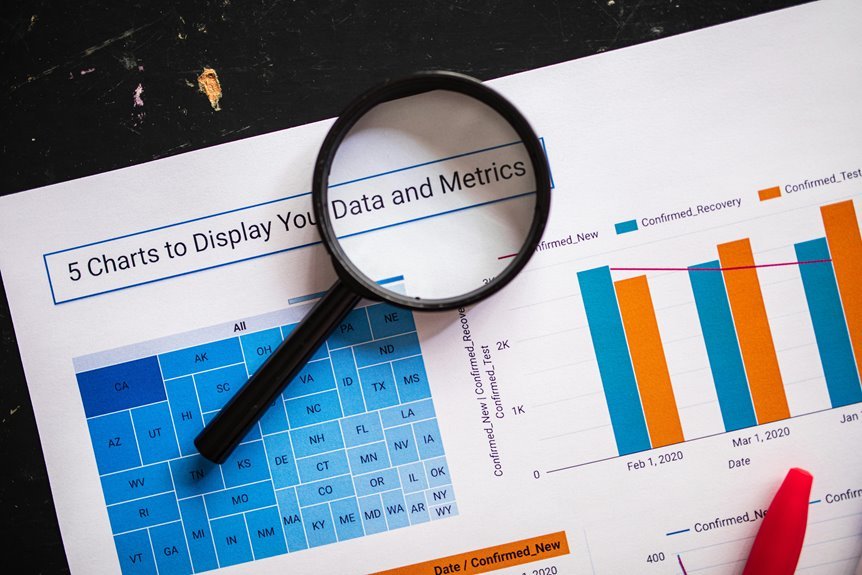
Data performance evaluation is a critical process for organizations seeking to optimize their operations. The analysis of unique identifiers, such as 120392611 and 924980881, provides insights into performance metrics and potential anomalies. This assessment can reveal patterns that influence data quality and decision-making. Furthermore, understanding these identifiers can help align strategies across departments. Yet, the implications of these findings warrant deeper exploration to fully grasp their impact on organizational performance.
Understanding the Dataset: Key Identifiers
The dataset serves as a foundational element for effective data performance evaluation, necessitating a thorough understanding of its key identifiers.
These identifiers play a pivotal role in data categorization, enhancing dataset significance by facilitating accurate analysis.
Various identifier types, ranging from numerical to alphanumeric, contribute to the integrity of data interpretation, ensuring that insights drawn from the dataset are both reliable and meaningful.
Analyzing Performance Metrics
Performance metrics act as critical indicators for evaluating the effectiveness of a dataset in achieving its intended outcomes.
Through performance benchmarks and metric comparison, analysts can identify data anomalies and assess trends.
Furthermore, KPI evaluation serves to highlight performance indicators essential for understanding overall data quality and reliability, enabling stakeholders to make informed decisions based on comprehensive trend analysis and performance insights.
Insights and Implications for Organizations
Insights derived from performance metrics have significant implications for organizations seeking to enhance data-driven decision-making.
Effective data utilization can lead to substantial organizational impact, enabling performance optimization and fostering strategic alignment across departments.
Strategies for Data-Driven Decision Making
Numerous strategies exist for organizations aiming to enhance their decision-making processes through data-driven approaches.
Effective data visualization techniques can simplify complex information, enabling stakeholders to grasp insights swiftly.
Additionally, predictive analytics empowers organizations to anticipate future trends, informing proactive decisions.
Conclusion
In conclusion, the evaluation of identifiers such as 120392611 and others reveals vital performance metrics that inform organizational strategies. By identifying anomalies and enhancing data quality, organizations can make more informed decisions. As the adage goes, “what gets measured gets managed,” underscoring the importance of systematic data analysis. This approach not only supports improved decision-making but also fosters a culture of continuous improvement, ultimately driving performance and strategic alignment across departments.