Data Insights and Reporting: 637597573, 8557202559, 4194951654, 965219832, 3146651460, 39699184
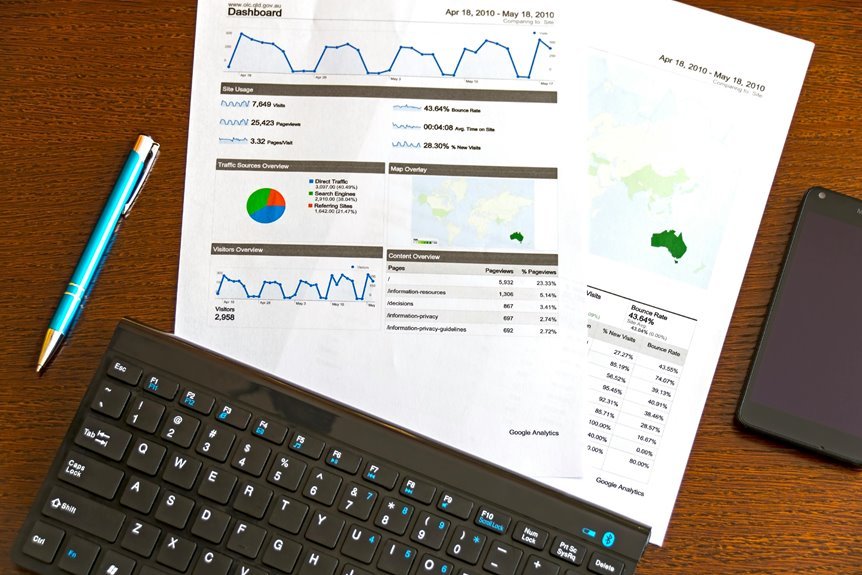
Data insights and reporting play a pivotal role in organizational success. By analyzing complex datasets, businesses can glean essential insights that drive strategic decision-making. Effective reporting transforms these insights into actionable narratives, revealing trends and opportunities. However, many organizations struggle with this integration. What are the key factors that can enhance trust in data and empower leaders in their decision-making processes? The answer lies in understanding the nuances of data analytics and reporting frameworks.
Understanding the Importance of Data Insights
Data insights serve as a critical compass in the decision-making landscape of modern organizations.
By fostering a data-driven culture, organizations enhance their capacity for insight integration, enabling informed choices that reflect true market conditions. This strategic alignment empowers leaders to navigate complexities, facilitating freedom in decision-making.
Ultimately, data insights transform raw information into actionable strategies, driving organizational success and innovation.
The Role of Effective Reporting in Decision Making
While organizations increasingly rely on data to inform their strategies, effective reporting emerges as a vital mechanism for translating complex datasets into clear narratives that drive decision-making.
Reporting accuracy is essential in establishing trust in data, while robust decision frameworks enable leaders to act decisively.
Uncovering Trends and Opportunities Through Analytics
Effective reporting serves as a foundation for analytics that can reveal significant trends and opportunities within vast datasets.
Through trend analysis and opportunity identification, analytics tools facilitate data visualization, enhancing insights.
Market forecasting and predictive modeling allow organizations to anticipate shifts, enabling strategic decision-making.
Transforming Raw Data Into Strategic Actions
Transforming raw data into strategic actions requires a systematic approach that integrates analytical techniques with organizational objectives.
Effective data visualization facilitates the comprehension of complex data sets, enabling stakeholders to identify crucial insights.
Coupled with predictive modeling, organizations can forecast trends and inform decision-making processes.
This alignment between data analytics and strategy empowers businesses to navigate uncertainties and capitalize on emerging opportunities.
Conclusion
In a world where data flows like an unending river, the mastery of insights and reporting emerges as the golden key to organizational transcendence. Companies harnessing this power do not merely survive; they soar, eclipsing competitors with dazzling foresight. By transforming raw numbers into strategic narratives, they unveil hidden realms of opportunity, crafting decisions that not only defy uncertainties but also sculpt the future. Thus, the symbiosis of data and strategy becomes the cornerstone of unparalleled innovation and success.