Data Performance Evaluation: 2111880202, 1616944470, 699748998, 729205655, 648605379, 1952306500
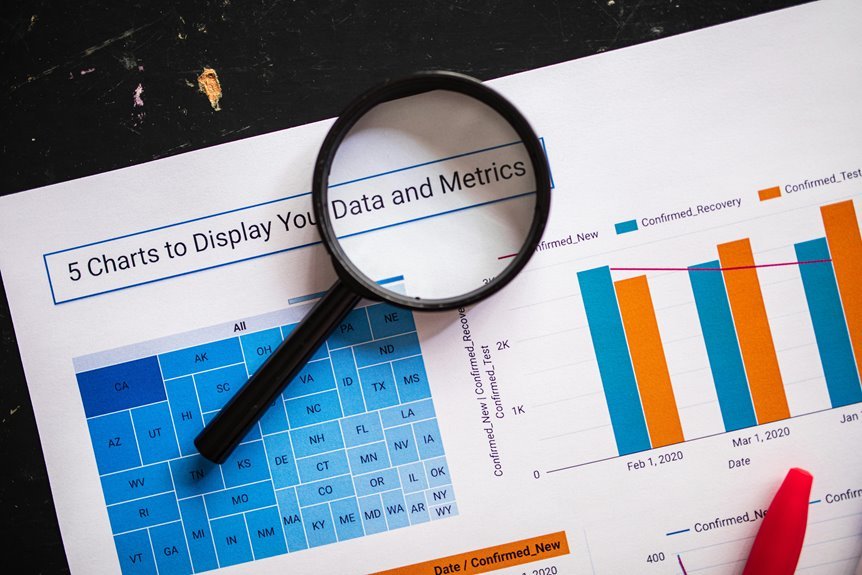
Data performance evaluation is essential for maintaining the integrity of unique identifiers such as 2111880202 and 1616944470. These identifiers are critical in ensuring data quality and facilitating accurate analysis. A systematic assessment can uncover inefficiencies, leading to improved operational processes. Organizations must consider the methodologies and tools available to enhance their evaluation efforts. However, the implications of these assessments extend beyond immediate improvements, prompting further exploration into their long-term impact.
Importance of Data Performance Evaluation
Although organizations often prioritize the collection and storage of data, the significance of data performance evaluation cannot be overstated.
Evaluating performance metrics ensures data reliability, enabling organizations to make informed decisions. By systematically assessing data quality, businesses can identify inefficiencies and optimize processes, ultimately enhancing operational freedom.
In a data-driven landscape, performance evaluation serves as a critical component for sustainable growth and strategic agility.
Analyzing Unique Identifiers for Data Quality
Effective data performance evaluation encompasses various dimensions, including the analysis of unique identifiers, which play a pivotal role in ensuring data quality.
Identifier accuracy directly impacts data integrity, facilitating accurate data retrieval and analysis.
Methodologies for Effective Performance Assessment
When organizations seek to enhance their data performance assessment, employing a variety of methodologies becomes essential.
Effective performance metrics should be established to quantify data quality and operational efficiency.
Assessment techniques, such as comparative analysis and benchmarking, provide insights into performance gaps.
Tools to Enhance Data Evaluation Processes
Implementing advanced tools is crucial for enhancing data evaluation processes within organizations.
Data visualization platforms enable stakeholders to interpret complex data sets intuitively, while robust analytics software facilitates the tracking of performance metrics.
These tools empower teams to make informed decisions, fostering a culture of accountability and transparency.
Conclusion
In the realm of data-driven decision-making, the stakes are high. The systematic evaluation of unique identifiers like 2111880202, 1616944470, and their counterparts is not merely a technical task but a critical imperative. As organizations delve deeper into performance assessments, the potential to unveil hidden inefficiencies looms large. Will they seize the opportunity to enhance their operational processes and secure their competitive edge, or will they falter in the face of mounting data complexities? The future hangs in the balance.